Enlarged prostate treatment
Enlarged prostate treatment with a doctor in Johns Creek or Cumming
A weak urine stream, trouble urinating, or more trips at night can come from an enlarged prostate. Our urologists measure the gland first, then match enlarged prostate treatment to those measurements — including medicines, UroLift, tissue-removing procedures, and, when it fits, prostate artery embolization performed at Alpharetta or Decatur.
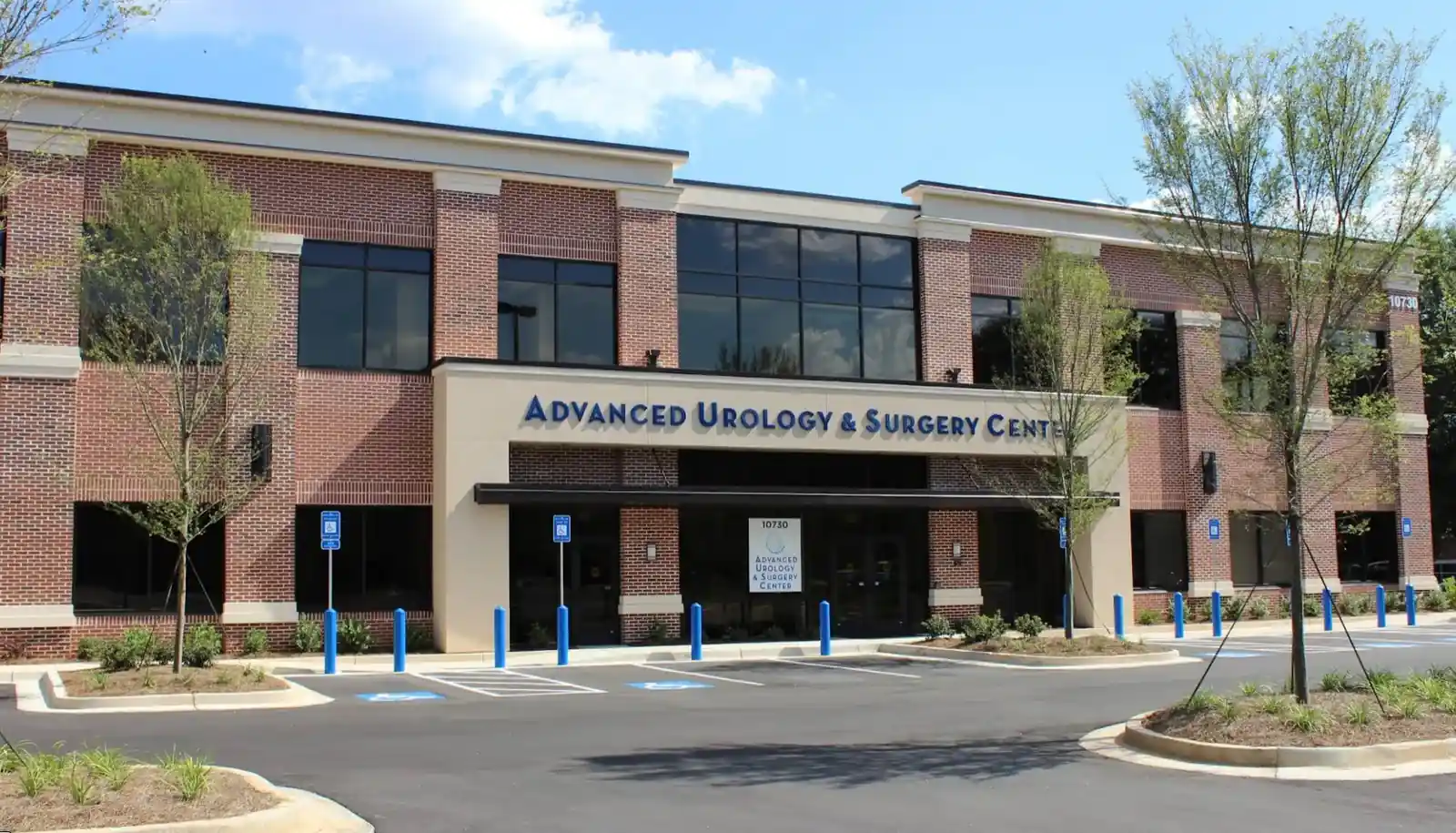
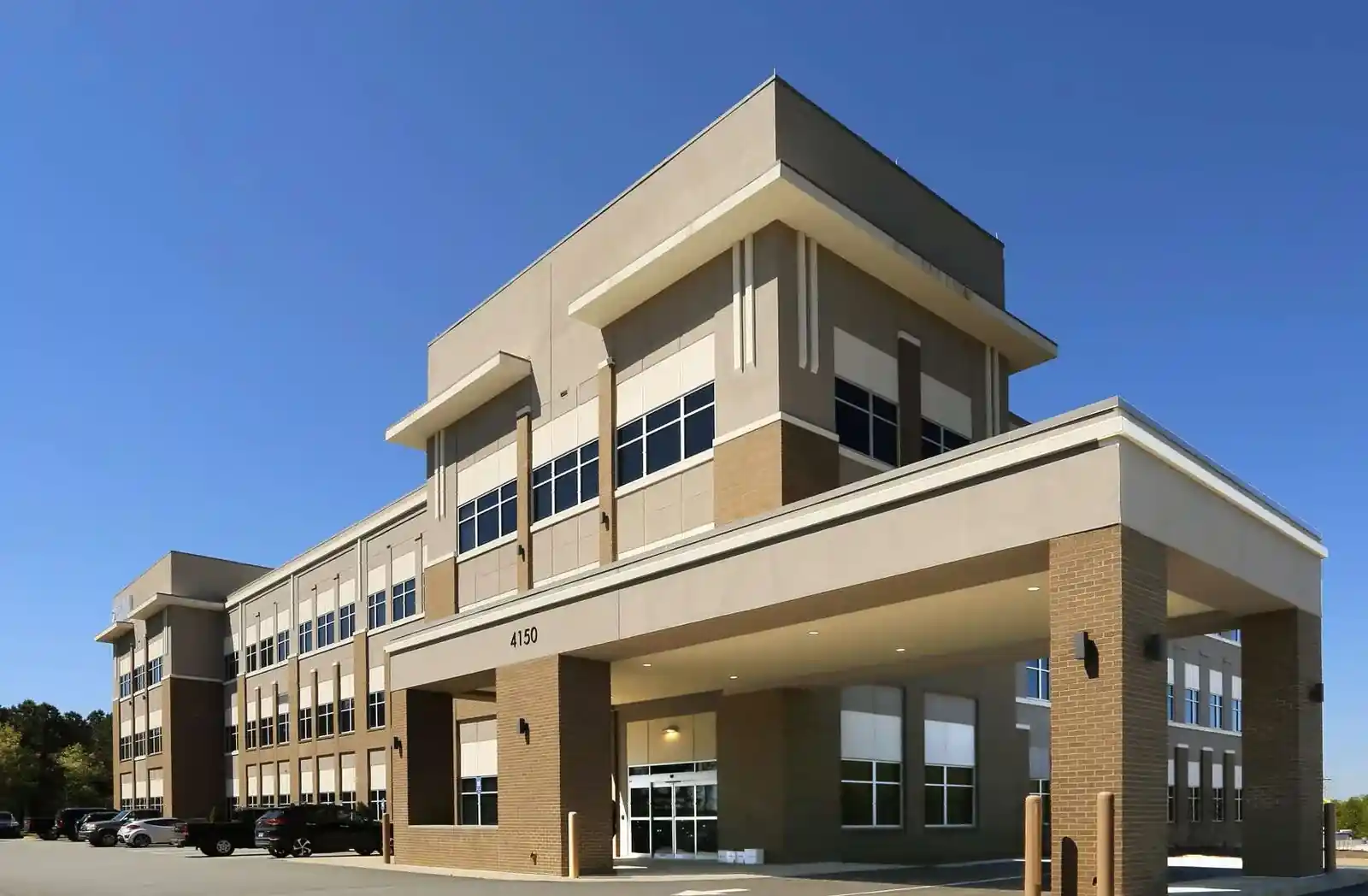
What brings people in for enlarged prostate treatment
An enlarged prostate — also called benign prostatic hyperplasia, or BPH — is a non-cancer growth of the gland under the bladder. As it grows, it can narrow the urine channel and make the stream weak, slow to start, or stop-and-start. Many men also get up more often at night or feel they have not emptied.
Those signs can overlap with infection and, less often, prostate cancer, so a weak stream is not a diagnosis by itself. The first visit names the pattern, checks a urine sample, measures the flow, and uses an ultrasound to see what remains after you pee. Our enlarged prostate care page walks through that work-up.
If you suddenly cannot urinate at all, that is emergency-department care: dial 911 or go to a hospital now. A clinic visit can follow once you have been able to empty or have been drained.
Medicines, UroLift, and procedures that remove tissue
When symptoms are bothersome but the bladder is still emptying reasonably, many men start with a medicine conversation. We go over what a given medicine is for and what to watch for, without promising a result.
UroLift is an outpatient procedure our urologists perform at the Johns Creek Clinic & Surgery Center. Small implants hold enlarged tissue away from the urethra so urine can pass, without cutting the prostate out. A consult can start in Johns Creek or Cumming; the procedure itself is done in the Johns Creek operating rooms. The visit before UroLift still includes a urine flow test and a bladder ultrasound.
When more tissue needs to be removed, options our urologists already discuss include TURP, HoLEP, and ThuLEP. Those are scheduled at the Johns Creek surgery center after the measurements and a conversation about recovery, catheters, and sexual-function trade-offs. Aquablation therapy is another resective option our urologists can discuss: the blocking tissue is removed with a water jet, reached through the urethra, in a hospital under anesthesia, and it usually includes an overnight stay. If Aquablation is a fit, we will tell you where that hospital date would be set.
Prostate artery embolization, evaluated here and performed nearby
Prostate artery embolization, or PAE, is a different path. An interventional radiologist threads a small catheter into an artery in the upper thigh or the wrist and releases tiny beads into the arteries that supply the prostate, which reduces blood flow so the gland can shrink over time. PAE is an outpatient option for men with an enlarged prostate who have not gotten enough relief from medicine and who would rather avoid a surgical operation on the gland itself. Read Advanced Urology’s description of the procedure at advancedurology.com/procedures/prostate-artery-embolization.
The procedure is performed at Advanced Urology’s Alpharetta or Decatur locations, not in the Johns Creek or Cumming clinics. A visit here is where we review your symptoms, the size of the gland, and whether PAE, UroLift, a tissue-removing procedure, or a medicine change is the next step. If PAE is the plan, we schedule it at Alpharetta or Decatur after that evaluation. Our dedicated prostate artery embolization page explains that split in one place.
What the visit with an enlarged-prostate doctor looks like
Plan on a history that covers how the stream feels, how often you get up at night, medicines you already take — including cold remedies that can tighten the urine channel — and any PSA values or scans you already have. We would rather read a study that is already complete than repeat it without a reason.
You may be asked to pee for a flow study and to have a bladder ultrasound. We do not book a procedure before the measurements are in and you have had time to consider the trade-offs. Some men leave with a medicine change or a follow-up test rather than a surgery-center date. Later operations are scheduled at Johns Creek, except PAE at Alpharetta or Decatur, and Aquablation in a hospital.
A short official video on options when prostate medicine is not enough
An official Advanced Urology video on this topic.
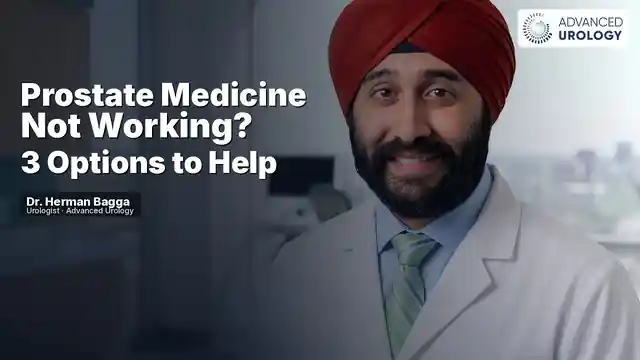 Playing: Prostate medicine not working? 3 options to help
Urologists who see this at our Johns Creek Clinic & Surgery Center include Dr. Neal Patel, Dr. T. Casey McCullough, and Dr. Nicholas Farber. In Cumming, Dr. Neal Patel, Dr. Herman Bagga, Dr. Rut Patel, and Dr. Kushan Radadia see the same kinds of visits.
Questions we are often asked
Do I need to see an enlarged-prostate doctor, or is my primary-care visit enough?
A primary-care visit can start the conversation and check a urine sample or a PSA, but deciding on UroLift, a tissue-removing procedure, or PAE takes measurements we do in a urology clinic. If a weak urine stream, trouble urinating, or night-time trips are changing your day, a visit with our urologists is how those options get sorted. We will still use work your primary-care clinician has already done.
Is UroLift the same thing as a TURP or HoLEP?
No, uroLift holds tissue away from the urethra with small implants and does not cut the prostate out. TURP, HoLEP, and ThuLEP remove the tissue that is blocking flow and are chosen when that kind of removal is the better match. We explain which path fits your measurements rather than offering one procedure to every man who walks in.
Can enlarged prostate treatment start with a Cumming visit?
A first enlarged-prostate visit is welcome at the Cumming Clinic as well as at Johns Creek. Flow testing and a bladder ultrasound can be done there. If we later recommend UroLift, TURP, HoLEP, or ThuLEP, that date is set at the Johns Creek surgery center; PAE is set at Alpharetta or Decatur.
Does treating an enlarged prostate treat prostate cancer?
Treating blockage from an enlarged prostate is not a cancer treatment. A UroLift, a TURP, or PAE does not take the place of a PSA review, an MRI, or a biopsy when those are the right next steps. If a cancer question is on the table, we keep that plan separate and may point you to our high PSA and biopsy page.
When is a weak stream an emergency instead of a clinic visit?
A complete inability to pass urine belongs in a hospital emergency department, not a scheduled enlarged-prostate slot. Fever or shaking chills with pelvic pain also belong there. A slower stream, hesitancy, or more night-time trips, without those warning signs, is clinic work.
Where can I read about PAE in more detail?
Our prostate artery embolization page explains the evaluation at Johns Creek or Cumming and the procedure at Alpharetta or Decatur. Advanced Urology’s procedure page at advancedurology.com/procedures/prostate-artery-embolization is the official description of how the catheter and beads are used.
Whenever a visit would help, the Johns Creek and Cumming teams are a phone call or a booked appointment away.