Accidental bowel leakage
Bowel leakage and loss of bowel control, treated in Johns Creek and Cumming
Leaking stool, a sudden urge you cannot hold, or staining you notice later in the day are all forms of accidental bowel leakage, also called fecal incontinence or bowel incontinence. It is more common than people say out loud, and it is treatable. Our urologists in Johns Creek and Cumming see adults from across North Fulton and Forsyth County for it, often alongside bladder leakage.
What patients mean when they search “can’t control my bowels”
People describe this in many ways: leaking stool when passing gas, not reaching the toilet in time, a smear on underwear after a normal bowel movement, or loose stool that slips out during exercise or a cough. Some notice it once a month; others plan every outing around a bathroom. All of these count as fecal incontinence, and all of them are worth a visit.
There are two broad patterns. Urge leakage is a strong, sudden need to go that arrives faster than you can get there. Passive leakage happens without warning, and many people do not feel it until later. Knowing which pattern you have points us toward the right first treatment, so we ask about it in detail.
Common reasons bowel control changes
Bowel control depends on the muscles around the rectum, the pelvic floor, and the nerve wiring that links the rectum to the spinal cord. Leakage tends to start when one of those pieces is weakened or out of step. Common reasons include muscle or nerve strain from childbirth, long-standing constipation or frequent diarrhea, earlier surgery or radiation in the pelvis, nerve conditions such as diabetes or back problems, and muscle changes that come with age.
Bladder leakage and bowel leakage often show up together, because the same pelvic floor and sacral nerves serve both. If you leak urine too, tell us at the first visit; one plan can address both, and our bladder leakage page explains that side.
When bowel leakage needs urgent care
Most bowel leakage can wait for an office appointment. A few signs cannot. Go to a hospital emergency department or dial 911 if new bowel leakage arrives with numbness in the groin, inner thighs, or legs, new leg weakness, or trouble passing urine, because those can point to pressure on the nerves in the lower spine.
Call us or your primary care office promptly, before waiting for a routine visit, if you see blood from the rectum, stool that is black or tar-like, a fever with belly pain, or a sudden change in bowel habits that does not settle within a few days.
What happens at your visit in Johns Creek or Cumming
We start by talking it through: when leaks first appeared, how many happen in a typical week, whether stool is loose or formed, which foods or activities set it off, and any births, pelvic surgery, or back problems in your history. A short bowel diary kept for a week or two before the visit makes that conversation far more useful. We also review your medicines, since some of them loosen stool.
The exam includes the pelvic floor and a gentle rectal exam to check muscle tone and squeeze. We ask about bladder symptoms at the same time. From there we explain what we think is driving the leakage and lay out the first steps, with a clear plan for follow-up at the office you chose.
Treatment options for bowel leakage we offer
Care starts with conservative steps that help many people: adjusting diet and fiber so stool is firmer and more predictable, bowel retraining on a regular schedule, pelvic floor muscle work, and medicine to slow loose stool when that fits. We give you specific instructions for each, then check back on how the diary changes.
When those steps are not enough for chronic leakage, sacral nerve stimulation with InterStim is the next option we offer. It begins with a test phase using a temporary wire, so you can see how your bowel control responds before any permanent implant. Our InterStim page walks through it, and the Advanced Urology fecal incontinence page has more background.
Bowel leakage care near Johns Creek, Cumming, and nearby cities
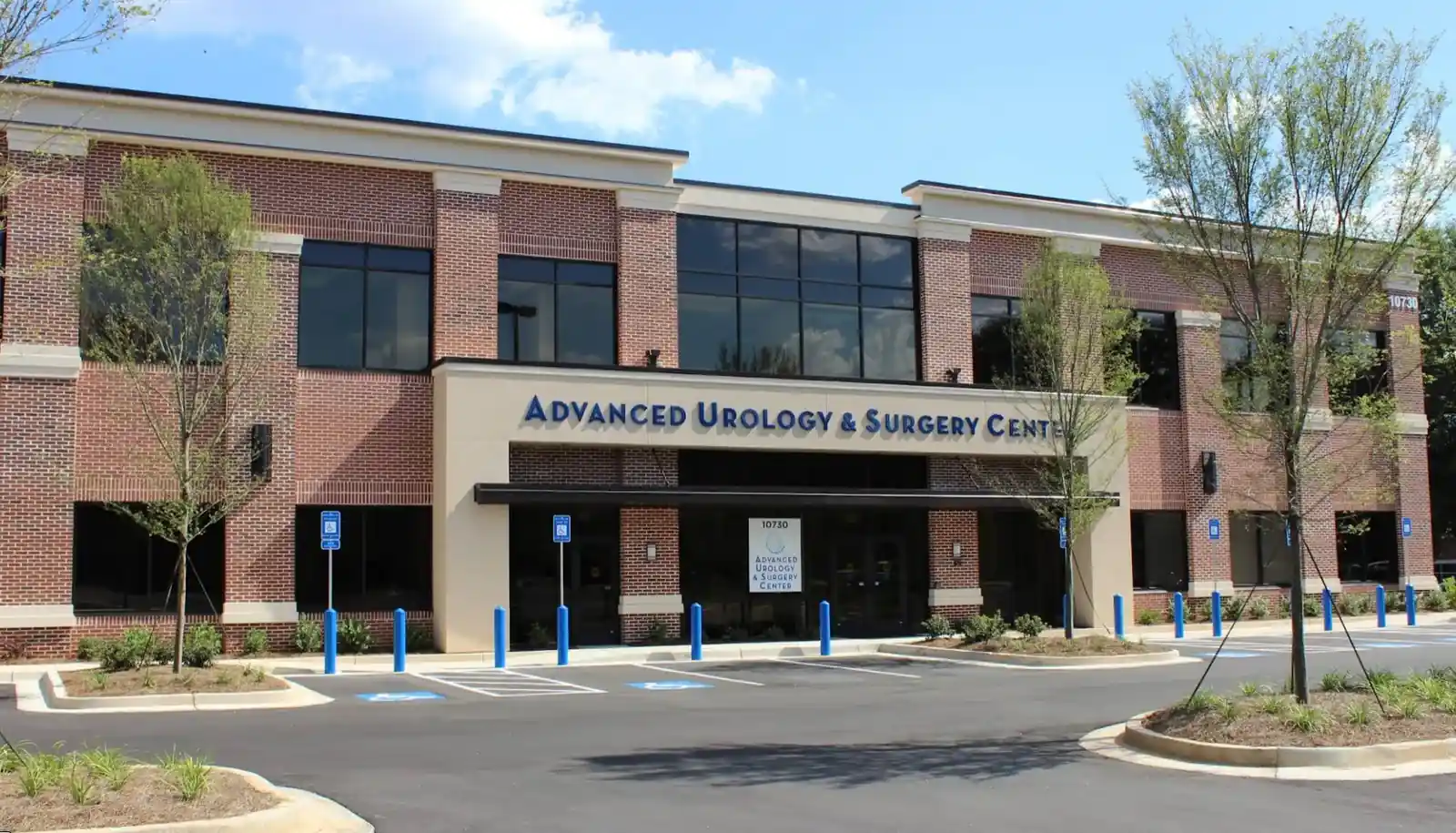
Our Johns Creek Clinic & Surgery Center at 10730 Medlock Bridge Road welcomes patients from Alpharetta, Duluth, Suwanee, and Milton. Our Cumming Clinic on Deputy Bill Cantrell Memorial Road welcomes patients from Forsyth County, Dawsonville, and Dahlonega. Both offices see patients for bowel leakage, and any procedure is scheduled at our surgery center. Call 678-344-8900 to set a visit, or book online.
Watch: an official video on bowel leakage and fecal incontinence
An official Advanced Urology video on this topic.
 Playing: #008 - Leaky Bowel? Regain Control from Fecal Incontinence
Bowel-leakage visits at both offices are with our urologists: Dr. Neal Patel, Dr. Nicholas Farber, Dr. T. Casey McCullough, Dr. Herman Bagga, Dr. Rut Patel, and Dr. Kushan Radadia, with physician assistants on the same team. Every one of our offices evaluates and treats fecal incontinence, so you can start your care in Johns Creek or in Cumming.
Questions we are often asked
What causes accidental bowel leakage?
The usual causes are weakened muscles around the rectum, nerve changes that blunt the warning signal, or stool that is too loose to hold. Childbirth, long-term constipation or diarrhea, pelvic surgery or radiation, diabetes, and back problems are common contributors. Often more than one is at play, which is why we take a detailed history before choosing treatment.
When is leaking stool an emergency?
New bowel leakage plus numbness in the groin or legs, new leg weakness, or trouble passing urine means an emergency department or 911. Rectal bleeding, black or tar-like stool, fever with belly pain, or a sudden change in bowel habits should be checked promptly rather than at a routine visit. Leakage that has been building for months is an office problem, and we will find you a visit at Johns Creek or Cumming.
Does a urologist treat bowel incontinence?
Our urologists at Johns Creek and Cumming evaluate and treat fecal incontinence, often in patients who also leak urine, since one set of pelvic floor muscles and sacral nerves serves both. Care ranges from diet, fiber, bowel retraining, and pelvic floor work to InterStim sacral nerve stimulation when those steps are not enough.
What should I bring to my first bowel leakage visit?
Bring your medicine and supplement list, any colonoscopy or imaging reports, and notes on past pelvic or back surgery. A bowel diary from the week or two before the visit, noting each leak, stool type, and what you ate, gives us a clear picture of your pattern. If you also leak urine, write those episodes down too.
Can bladder and bowel leakage be treated together?
Often, yes. When both happen, we look at the pelvic floor and the sacral nerves as one system. Pelvic floor work helps both, and InterStim sacral nerve stimulation is used for overactive bladder as well as chronic fecal incontinence, so one test phase can show how both respond.
Is there bowel leakage treatment near me in Cumming or Alpharetta?
Our Cumming Clinic on Deputy Bill Cantrell Memorial Road and our Johns Creek Clinic & Surgery Center on Medlock Bridge Road both evaluate and treat bowel leakage, and many of our Johns Creek patients live in Alpharetta. Call 678-344-8900 or book online, and name the office you prefer.
Whenever a visit would help, the Johns Creek and Cumming teams are a phone call or a booked appointment away.