Pain in your side
Pain from kidney stones, and when to come to Johns Creek or Cumming
Pain in the side or back that comes in waves, often with nausea, is a common way kidney stones announce themselves. Some people also notice blood in the urine or a restless need to change position. Our urologists at Johns Creek and Cumming sort out whether this is clinic work, what imaging you already have, and which treatment we can offer if the stone will not pass.
How the pain often shows up
Stone pain often starts in the flank, just below the ribs, and can travel toward the groin as a stone moves. It may build, ease, and build again, rather than staying at one steady level. Nausea is common. Some people cannot get comfortable in a chair or in bed. Others first notice pink or red urine, then the pain. A burning sensation can appear if the stone is lower, closer to the bladder.
Not every episode of flank pain is a stone, which is why we still take a history and look at imaging rather than treating the pattern alone. If you already went to an emergency department, bring the discharge papers and the disc or portal link for the CT or ultrasound. We will use those studies when they still answer the question, instead of repeating them without a reason.
When the pain belongs in an emergency department
Dial 911 or go to a hospital emergency department now if the pain comes with fever or chills, if you cannot urinate, if you are vomiting so often that you cannot keep down fluids, if you have one kidney, or if the pain is more than you can control at home. Heavy bleeding belongs there as well. The office visit can come after you are stable.
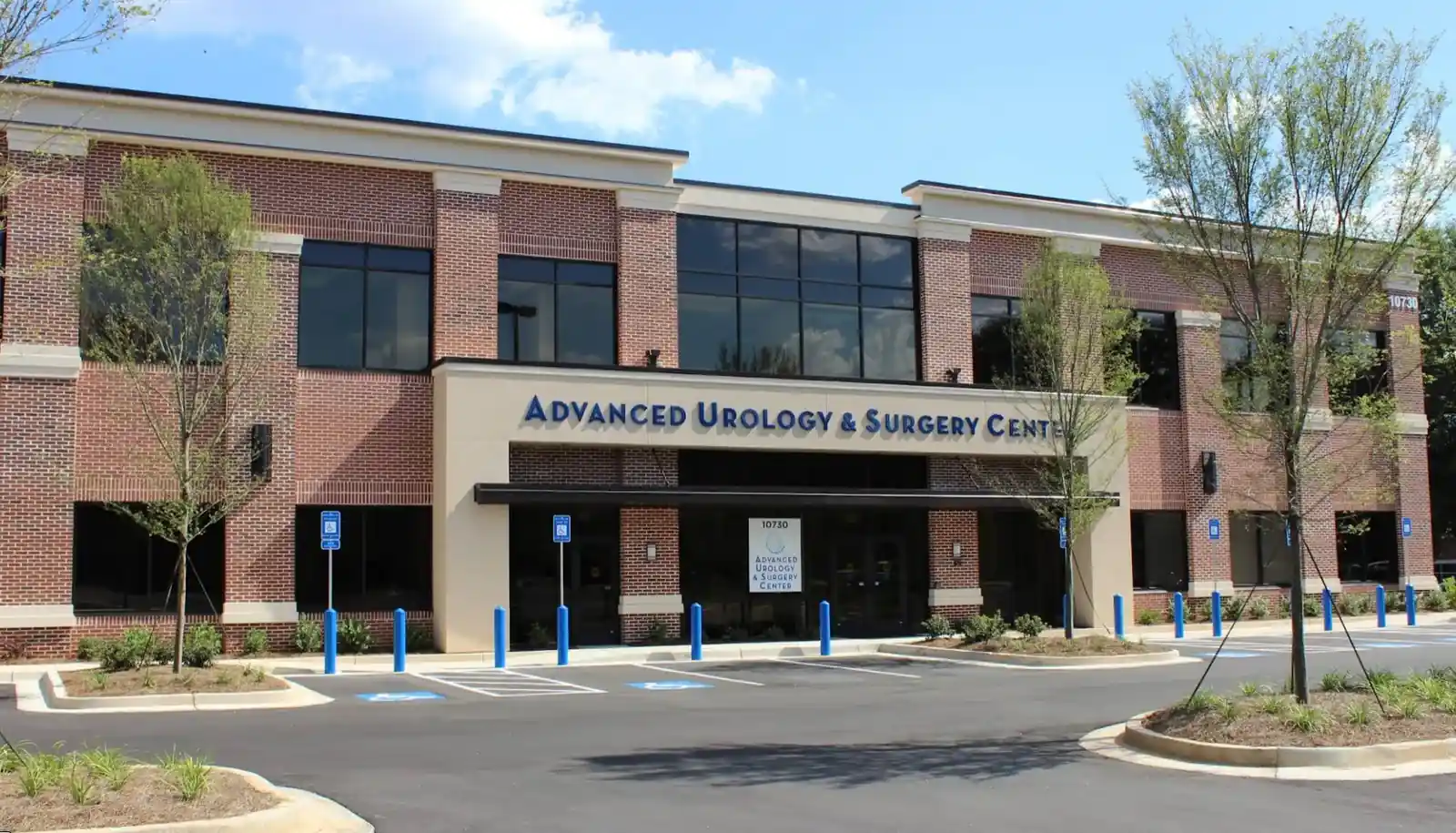
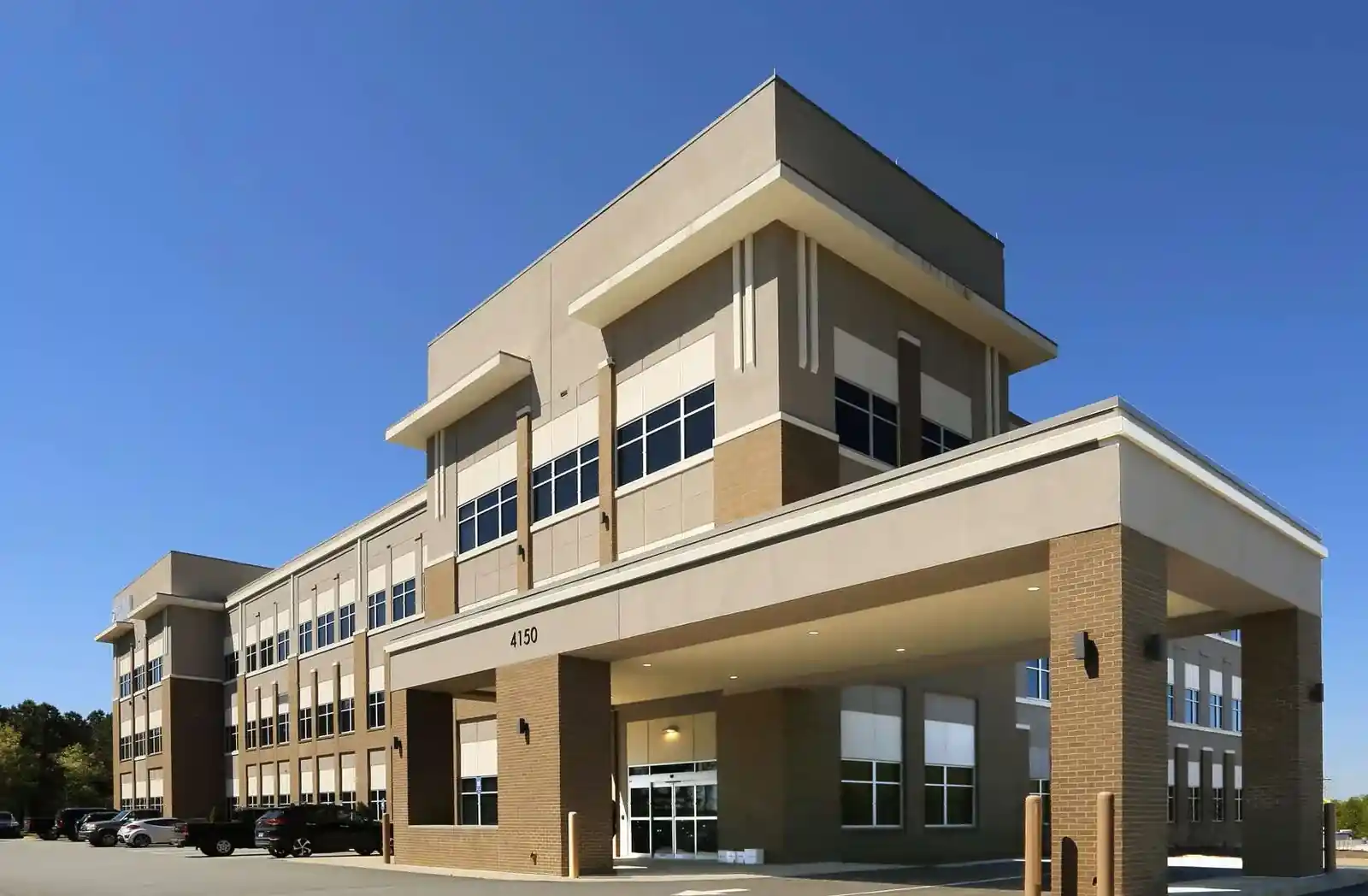
A stone episode without those warning signs can often be planned as a clinic visit at 10730 Medlock Bridge Road in Johns Creek or at 4150 Deputy Bill Cantrell Memorial Road, Suite 180, in Cumming. Call 678-344-8900 or book online, and we will look for the earliest opening we can set. We do not promise a visit on the day you call. Tell the scheduler that you think you have stone pain and whether you already had a scan, so we can prepare the visit.
What we do when you come to these offices
We review how the pain started, whether you have had stones before, and what the images show about size and location when a study is already done. If you still need imaging, we choose the study that answers the next question. From there we talk through whether a period of passage with pain and nausea medicine is reasonable, or whether a procedure is the more careful path.
Procedures our urologists provide for stones include shock-wave treatment, ureteroscopy with laser, and, when needed, a stent to help urine drain while the plan is completed. Those procedures are done at the Johns Creek surgery center, in the same building as the Johns Creek clinic, so the consult and the operating-room date share one surgical address. For a clearer walk-through of each treatment, how a stone often feels over a longer course, and how we try to prevent the next one, read our kidney stone treatment page.
After an emergency-department visit
Many people meet us after a night in the emergency department, with a stone still in place and a recommendation to see urology. That follow-up is clinic work. Bring the scan and the after-visit summary. We will tell you whether we want to watch for passage, schedule a procedure, or both, and we will explain the reasons in ordinary language.
If a stent was already placed, say so when you book, because the follow-up plan is different. If you noticed blood in your urine along with the pain, mention that too. We will not leave you with a scan report and no next step.
A later visit to lower the chance of another stone
Once the current stone is handled, we can talk about prevention at a later visit in Johns Creek or Cumming. That conversation usually covers fluids, diet in practical terms, and, when it would help, a stone analysis or a metabolic workup. We do not invent a timeline for how quickly a given stone will pass, and we will not promise that a later stone will never form. We will tell you what we can actually do to lower the odds.
A related official video on treating a kidney stone
An official Advanced Urology video on this topic.
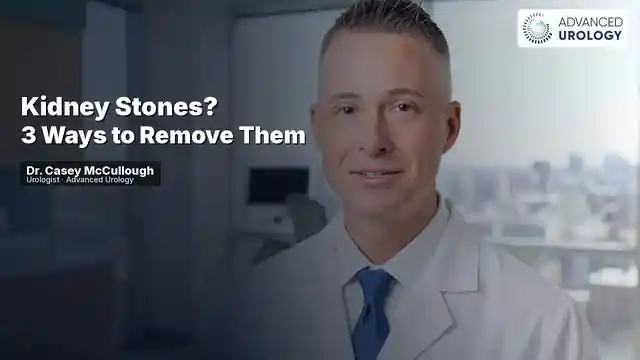 Playing: Kidney Stones? 3 Ways to Remove Them
What the video covers. Titled “Kidney Stones? 3 Ways to Remove Them.” Dr. T. Casey McCullough, who practices in these offices, outlines main ways a stone that will not pass can be treated.
Stone-pain visits are seen by our urologists at these two offices, including Dr. Neal Patel, Dr. T. Casey McCullough, and Dr. Nicholas Farber in Johns Creek, and Dr. Patel, Dr. Herman Bagga, Dr. Rut Patel, and Dr. Kushan Radadia in Cumming. Operating-room procedures are scheduled at Johns Creek.
Questions we are often asked
I have pain in my side that comes in waves. Could that be kidney stones?
It may be. Wave-like flank pain, sometimes with nausea or blood in the urine, is a common way kidney stones show up. A visit at Johns Creek or Cumming, and imaging when it is needed, is how we confirm it rather than guessing from the pattern alone.
Should I go to the emergency department or call the office?
Go to the emergency department, or dial 911, if you have fever or chills, cannot urinate, cannot keep fluids down, have one kidney, have heavy bleeding, or cannot control the pain. Pain in the side or back that comes in waves, often with nausea, is a common way kidney stones announce themselves. Some people also notice blood in the urine or a restless need to change position. Our urologists at Johns Creek and Cumming sort out whether this is clinic work, what imaging you already have, and which treatment we can offer if the stone will not pass.
I already had a CT in the emergency department. Do I still need to come in?
Bring the scan and the discharge papers. We use those studies to decide whether to watch for passage or plan a procedure, rather than leaving you with a report and no next step.
What treatments do you offer if kidney stones will not pass?
Our urologists provide shock-wave treatment (lithotripsy), ureteroscopy with laser, and a stent when drainage is needed. Those procedures are done at the Johns Creek surgery center. The kidney stones treatment page explains each option in more detail.
Can the first visit be in Cumming?
Evaluation can start at either office. If a procedure is needed, the date is set at Johns Creek, in the same building as the Johns Creek clinic.
Will you tell me how long this stone will take to pass?
We will not invent a timeline. Size, location, and how you are feeling all matter, and we will say when watching still makes sense and when a procedure is the more careful path.
Whenever a visit would help, the Johns Creek and Cumming teams are a phone call or a booked appointment away.