Kidney stones
A kidney stone doctor in Johns Creek and Cumming
Pain from kidney stones can start in the side or back, come in waves, and arrive with nausea or blood in the urine. Our urologists see that pattern in Johns Creek and Cumming, decide when a stone can be watched, and perform lithotripsy or ureteroscopy at the Johns Creek surgery center when it will not pass.
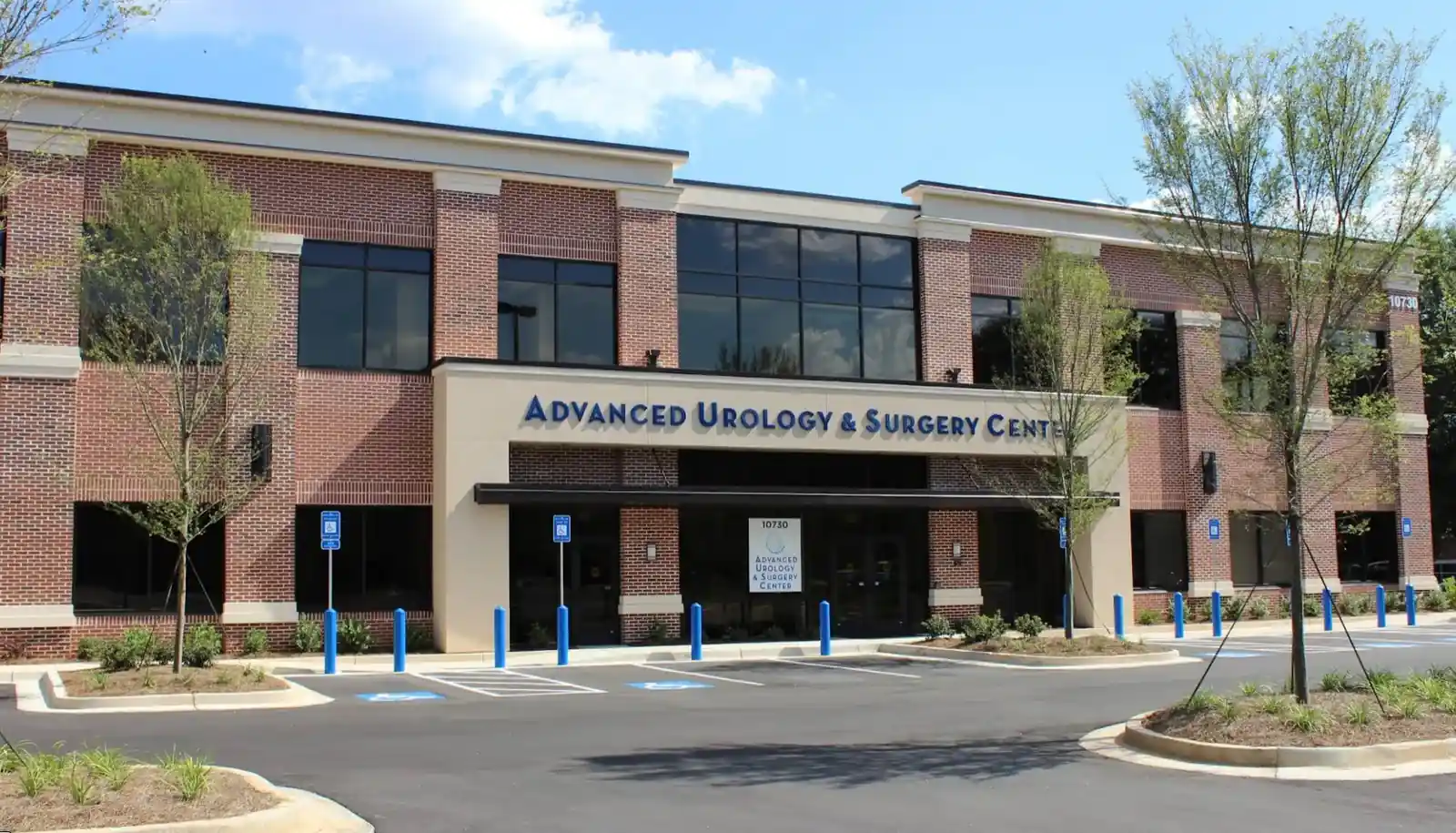
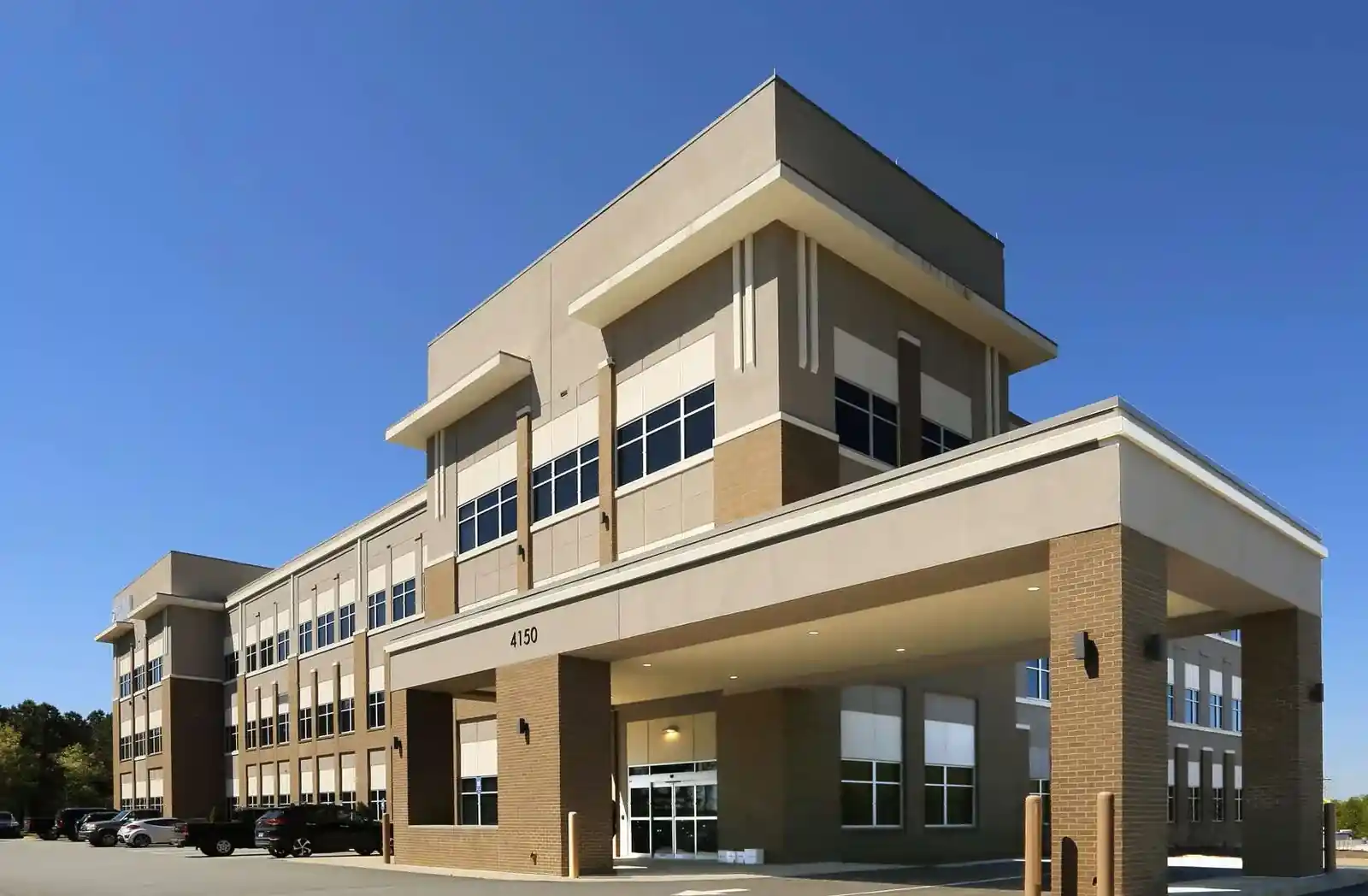
How kidney stones show up, and when the emergency department comes first
Kidney stones form when minerals in the urine crystallize and stick together. A stone that moves into the ureter can cause wave-like pain in the side or back, sometimes traveling toward the groin. Nausea, blood in the urine, and a restless need to change position are common companions. Some stones stay quiet in the kidney and are found on a scan done for another reason.
Go to a hospital emergency department, or dial 911, if the pain comes with fever or chills, you cannot urinate, you cannot keep fluids down, you have one kidney, the bleeding is heavy, or the pain is more than you can control. Those signs can mean infection or a complete blockage, which are not clinic problems. A pattern without those warning signs can start with a call to us and a visit in Johns Creek or Cumming. Our kidney stones pain page spells out that fork in more patient language.
The first visit with a kidney stone doctor
If you already had a CT in the emergency department, bring the scan and the discharge papers. We use those pictures to decide whether to watch for passage or plan a procedure, rather than leaving you with a report and no next step. If you have not had imaging yet, we will say which study is needed and whether it can be done before or after you sit down with us.
The visit also covers how the pain has behaved, whether you have passed stones before, medicines you take, and any stone analysis or twenty-four-hour urine study already on file. We do not invent a timeline for passage. Size, location, and how you feel all matter, and we will say when watching still makes sense and when a procedure is the more careful path.
Lithotripsy, ureteroscopy, and stents, at the Johns Creek surgery center
When a stone will not pass, or should not be left to try, our urologists offer extracorporeal shock wave lithotripsy (ESWL) and ureteroscopy. ESWL uses shock waves from a lithotripter, aimed with X-ray, to break a stone into pieces that can pass. It is an outpatient treatment, and how well it works depends on the stone’s size, location, and composition; some stones, and some anatomies, are a poor match, which we will say if that is the case. Read their procedure page at advancedurology.com/procedures/extracorporeal-shock-wave-lithotripsy.
Ureteroscopy uses a thin lighted scope, passed through the urethra, to reach a stone in the ureter or kidney. A laser can break the stone, and a temporary stent is often left in the ureter so urine and fragments can drain. Stent removal is planned days to a couple of weeks later. Advanced Urology’s ureteroscopy page describes that sequence; we perform these operations at the Johns Creek Clinic & Surgery Center. A first stone visit can still be in Cumming; the procedure date, when there is one, is set at Johns Creek.
Our kidney stone treatment page and the stone procedures glossary name each of these tools in more detail, including laser lithotripsy as it is used during ureteroscopy.
Trying to prevent the next stone
After the acute episode, we talk about prevention. That may include a stone analysis, blood work, and, when it would change the plan, a twenty-four-hour urine collection. Fluid goals, sodium, and — for some calcium stones — not cutting out dietary calcium without a reason, are part of that visit.
If a stone is still in place and you develop fever, you cannot urinate, or you cannot keep fluids down, return to emergency care even if a clinic follow-up is already on the calendar.
An official video on three ways our urologists treat kidney stones
An official Advanced Urology video on this topic.
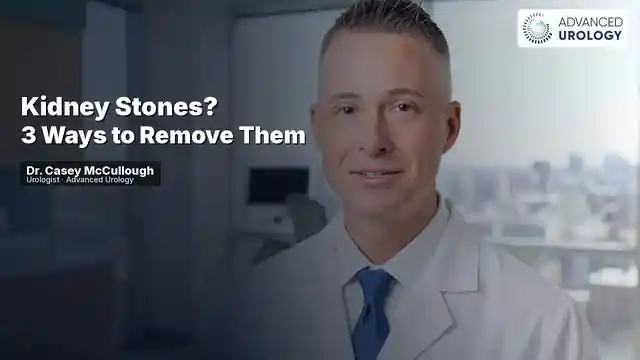 Playing: Kidney Stones? 3 Ways to Remove Them
Stone visits in Johns Creek are with Dr. Neal Patel, Dr. T. Casey McCullough, and Dr. Nicholas Farber. In Cumming, Dr. Neal Patel, Dr. Herman Bagga, Dr. Rut Patel, and Dr. Kushan Radadia see the same work, including follow-up after a procedure at Johns Creek.
Questions we are often asked
How do I know if this pain is from kidney stones?
Wave-like pain in the side or back, often with nausea or blood in the urine, is a common way kidney stones present, but we confirm it with imaging rather than guessing from the pattern alone. Other problems in the abdomen and back can feel similar. A visit, and the scan you may already have from an emergency department, is how we settle the question.
What is the difference between lithotripsy and ureteroscopy?
Lithotripsy, or ESWL, breaks a stone with shock waves from outside the body, aimed with X-ray, so the pieces can pass. Ureteroscopy reaches the stone with a scope through the urethra, can use a laser to break it, and often leaves a temporary stent. We choose between them based on the stone’s size, location, and composition, and both are done at the Johns Creek surgery center.
If I was seen in a Forsyth County emergency department, can I follow up in Cumming?
Yes, bring the CT and the discharge papers to the Cumming Clinic, and we will decide whether to watch the stone or plan a procedure. If ureteroscopy or lithotripsy is recommended, that date is set at Johns Creek, usually with the same urologist who saw you in Cumming.
Do all kidney stones need a procedure?
No, some stones pass with time, pain control, and close follow-up, especially when they are small and already moving. We still want to see the imaging and hear how you are feeling before we choose watchful waiting. A stone that is not moving, is infecting the system, or is simply too large to expect passage is when we talk about lithotripsy or ureteroscopy.
Will I have a stent, and what does that feel like?
A stent is often left after ureteroscopy so urine and fragments can drain, and it is later removed in a planned visit. Many people feel urinary urgency, frequency, or some blood in the urine while it is in place. We will tell you how long we expect it to stay and how removal is scheduled before you leave the surgery center.
When should I go back to the emergency department after a stone visit?
Fever or chills, a sudden inability to urinate, vomiting you cannot control, or pain that has gone beyond what was already discussed all belong in emergency care, even if a follow-up is booked. Ordinary lingering soreness after a passing stone, without those signs, can wait for the clinic appointment we set.
Whenever a visit would help, the Johns Creek and Cumming teams are a phone call or a booked appointment away.