Prostate cancer treatment
Prostate cancer treatment, planned in Johns Creek and Cumming
A raised PSA, an MRI, or a biopsy report can leave you with a stack of results and no clear next sentence. Our urologists in Johns Creek and Cumming walk that path in order — repeating a test when it is needed, arranging imaging, and talking through treatment after the diagnosis is in view, not before.
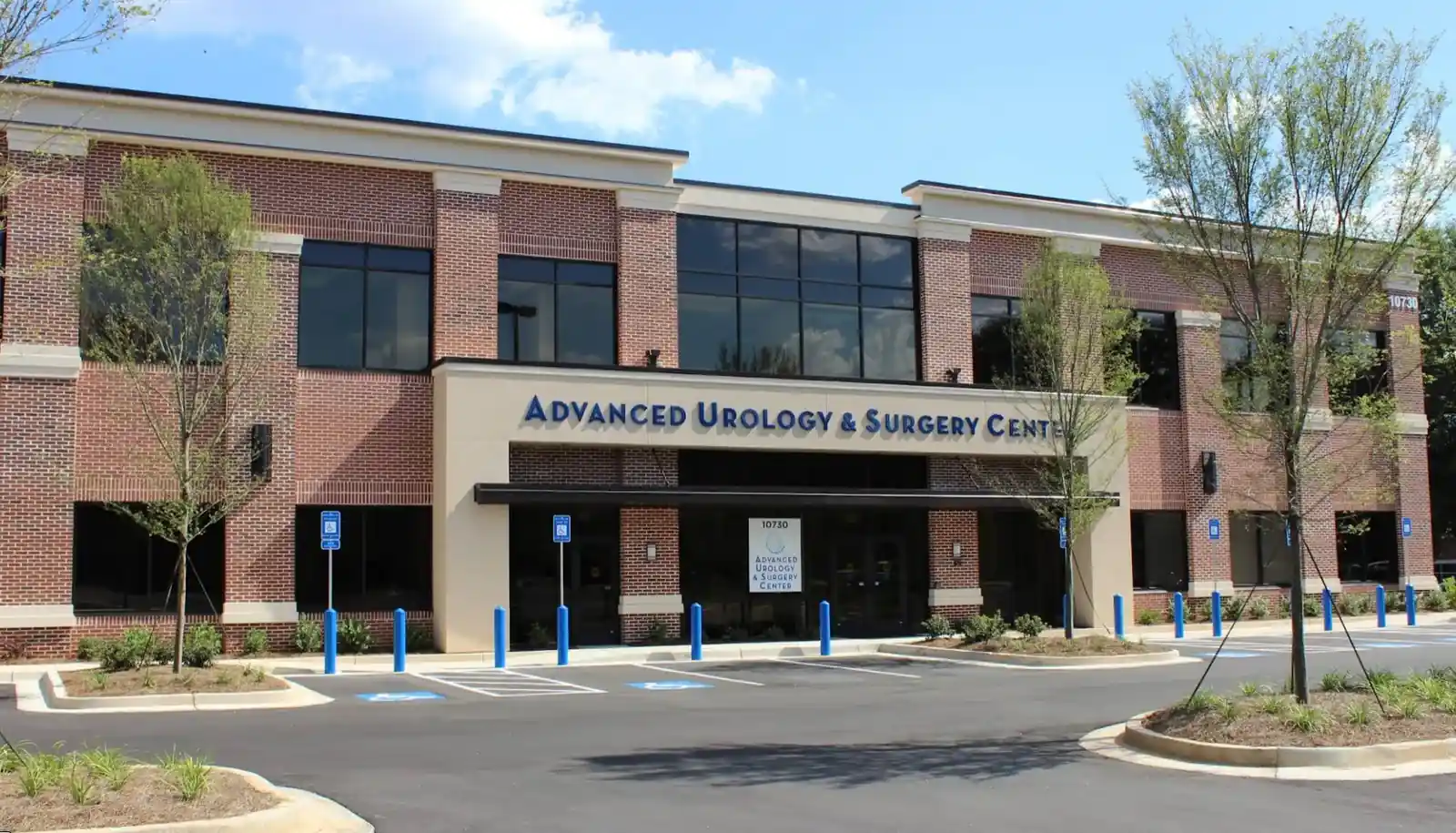

From a raised PSA to a diagnosis, in order
Most men who later talk about prostate cancer treatment start with a number on a lab slip, not with a diagnosis. A high PSA is not cancer by itself. Infection, a recent procedure, an enlarged prostate, and prostate cancer can all move the number, which is why the first job is to put the result next to your earlier values and decide whether to repeat the blood test, obtain MRI of the prostate, or talk about a biopsy.
Our high PSA and biopsy page and the high PSA results symptom page cover that stretch in more detail. The short version: we would rather confirm the number and look at the gland carefully than jump to a treatment conversation you do not yet need.
When a biopsy has already been done elsewhere, bring the report and, if you have them, the slides or the pathology contact so we can build on work that is already complete. A diagnosis does not have to be decided in the same week it arrives; the visit is where we lay out which decisions are urgent and which can wait for staging studies.
Treatments our urologists discuss after the diagnosis
Once the grade and the extent of the cancer are in view, the conversation turns to options Advanced Urology actually offers. Active surveillance is a planned program of repeat PSA checks, exams, and, when needed, further imaging or biopsy — not the same thing as doing nothing. For men who need treatment of the gland, our urologists discuss robotic-assisted radical prostatectomy, in which the prostate is removed through small incisions, and radiation, often planned with specialists we work with. A temporary catheter is part of recovery after prostatectomy.
Focal therapy and HIFU are discussed when they fit a carefully chosen, localized cancer; they are not a substitute for surgery or radiation in every case. Our journal article on prostate cancer treatment choices compares surgery, radiation, and focal therapy in more depth, in the words of that assigned piece. Hormone therapy, also called androgen deprivation, may be added when radiation is the plan or when the cancer has spread, and we will say so plainly if that is on the table.
We do not turn a treatment conversation into a ranking of options, and we do not promise a particular recovery. Each path has trade-offs for urinary control and sexual function, which we review before a date is set.
How imaging such as PSMA PET is arranged
Some men need more than an MRI of the prostate. Our urologists can arrange PSMA PET/CT to help with prostate cancer staging and for a rising PSA after treatment, described on its PET/CT imaging page. If that scan is the careful next step, we arrange it after the visit here rather than leaving you to find the study on your own.
PSMA PET is not the first test for every raised PSA, and it is not a replacement for a biopsy when tissue is what we need. We will say when a regular CT or a bone study is the better match, and when the PSMA study adds information we do not already have.
Where planning happens, and where an operation is scheduled
Treatment planning can start at either the Johns Creek Clinic & Surgery Center or the Cumming Clinic. The urologist you sit with is the person who stays with the plan, including a later operation. Robotic prostatectomy is scheduled from that visit; we will tell you the hospital or surgery-center date and what the days around it look like, including the catheter and the first follow-up PSA.
If you cannot urinate, have heavy bleeding, or have pain you cannot control, that belongs in a hospital emergency department now. A rising PSA on a routine lab slip, without those warning signs, is clinic work.
An official conversation on how prostate cancer is found and discussed
An official Advanced Urology video on this topic.
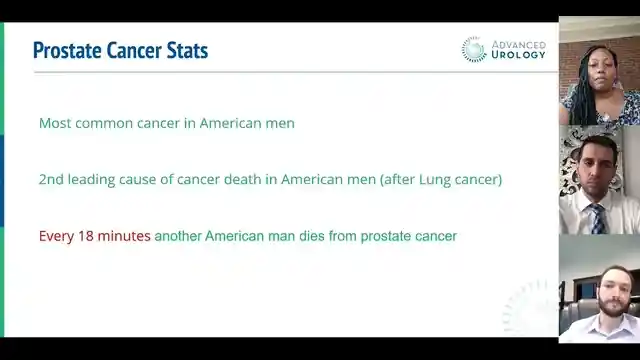 Playing: DocTalk: Primary Care Physician & Urologist Discuss Prostate Cancer
Dr. Neal Patel, Dr. T. Casey McCullough, and Dr. Nicholas Farber see these visits at Johns Creek. Dr. Neal Patel, Dr. Herman Bagga, Dr. Rut Patel, and Dr. Kushan Radadia see them at the Cumming Clinic. Robotic prostate surgery, when it is the plan, is arranged from that same relationship.
Questions we are often asked
Does a new prostate cancer diagnosis have to be decided this week?
Not usually. Once the biopsy is in, we still need a clear picture of the grade and whether any staging studies should come first. Some decisions are time-sensitive, and we will name those. Many men have room to hear the options, ask about recovery, and come back with questions before a treatment date is set.
Can prostate cancer treatment planning start in Cumming?
Yes, the Cumming Clinic is a full place to review a biopsy, a PSA trend, and imaging, and to decide on active surveillance, surgery, radiation, or further scans. If an operation is recommended, we set that date from the same conversation and tell you where to arrive.
Do you offer robotic prostate surgery?
Our urologists discuss robotic-assisted radical prostatectomy when removal of the gland is the plan. The operation uses small incisions, and a temporary catheter is part of the days that follow. We will say who would perform it and what the first follow-up looks like before anything is scheduled.
What is a PSMA PET scan, and do I automatically need one?
PSMA PET/CT is an imaging study Advanced Urology uses for prostate cancer staging and for a rising PSA after treatment. It is not the routine next step after every lab flag, and it does not replace a biopsy when we need tissue. If the scan is the right tool for your situation, we arrange it after the visit.
Is a rising PSA after treatment an emergency?
A rising PSA on a scheduled lab check is clinic work, and we will bring you in to review the trend and whether PSMA PET or another study is needed. Inability to urinate, heavy bleeding, or uncontrolled pain is different and belongs in an emergency department. Call 911 or go to a hospital for those warning signs.
Where can I read a side-by-side comparison of surgery and radiation?
Our journal page on prostate cancer treatment choices compares robotic surgery, radiation, and focal therapy in a longer form. This page is the practical path from a raised PSA to a plan in these offices. Read both if you want the comparison and the local next step in one sitting.
Whenever a visit would help, the Johns Creek and Cumming teams are a phone call or a booked appointment away.