Trouble urinating and urinary retention
Trouble urinating or can’t empty your bladder? Care in Johns Creek and Cumming
Waiting a long time for the stream to start, pushing to get it going, or walking away still feeling like you have to pee can all mean the bladder is not emptying the way it should. Doctors call this urinary retention. Our urologists in Johns Creek and Cumming find out whether something is blocking the flow or the bladder signal itself is weak, then treat the cause. If you cannot pass any urine and your lower belly is swollen and painful, go to an emergency department now.
Can’t pass any urine? Treat it as an emergency
If you cannot pass any urine and your lower belly feels full, tight, swollen, or painful, go to a hospital emergency department or dial 911. This is acute urinary retention. The bladder needs to be drained with a catheter, and waiting for an office visit is not the right choice.
Also go to the emergency department if trouble urinating comes with fever, chills, or shaking; pain in your back or flank; passing blood clots; or new numbness in the groin or inner thighs or new leg weakness. Once the urgent problem is handled, call 678-344-8900 so we can find the cause and plan follow-up.
What trouble urinating can feel like
Patients put it in their own words: “I can’t get it started,” “I stand there forever,” “it stops and starts,” “I have to push,” or “I feel like I still have to pee right after I go.” Some dribble afterward or return to the bathroom a few minutes later. Others leak small amounts because the bladder stays too full.
When the bladder holds urine after you finish, it is called incomplete emptying or chronic urinary retention. It can build slowly and quietly over months. When you suddenly cannot pass urine at all, it is acute retention, the emergency described above.
Why the bladder stops emptying
There are two broad causes. In obstructive retention, something narrows the path out of the bladder. In men, an enlarged prostate pressing on the urethra is the most frequent reason; scar tissue narrowing the urethra or a stone can also block the flow. In non-obstructive retention, nothing is in the way, but the bladder muscle squeezes weakly or the muscles that hold urine in do not relax on cue.
Nerve problems from diabetes or the lower back, recent surgery and anesthesia, constipation, and some medicines, including certain cold and allergy remedies, can contribute. Telling us every medicine and supplement you take helps us a great deal before the visit.
Tests we use to find the cause
Most of the workup happens at the office visit in Johns Creek or Cumming. We test a urine sample for infection and blood. A quick bladder ultrasound after you pee shows how much urine is left behind, called the post-void residual. A flow test measures how strong and steady your stream is. For men, a prostate exam and PSA blood test are added when they fit the picture.
Some people need more detail. A cystoscopy lets us look inside the urethra and bladder for narrowing, and urodynamic testing measures how the bladder fills, squeezes, and empties. Together these tests tell us whether the problem is a blockage or a signaling problem, which decides the treatment.
Treatment paths we offer
When an enlarged prostate is the blockage, treatment may start with medicine. If that does not help enough, the procedures our urologists offer include UroLift at our Johns Creek Clinic & Surgery Center, HoLEP and ThuLEP laser procedures, and TURP, and our interventional radiologists offer prostate artery embolization at our Alpharetta or Decatur locations. Our enlarged prostate page explains how we match the procedure to prostate size.
When testing shows no blockage, we treat the signaling side. That can mean adjusting medicines, treating constipation or infection, and teaching clean intermittent catheterization so you can drain the bladder yourself on a schedule. For non-obstructive retention that continues, InterStim sacral nerve stimulation is an option: a test phase of about 3 to 14 days comes first, and it can reduce or end the need for catheters in people who respond. Advanced Urology’s guide to InterStim for urinary retention covers who is a candidate.
Care for trouble urinating near Johns Creek, Cumming, and nearby cities
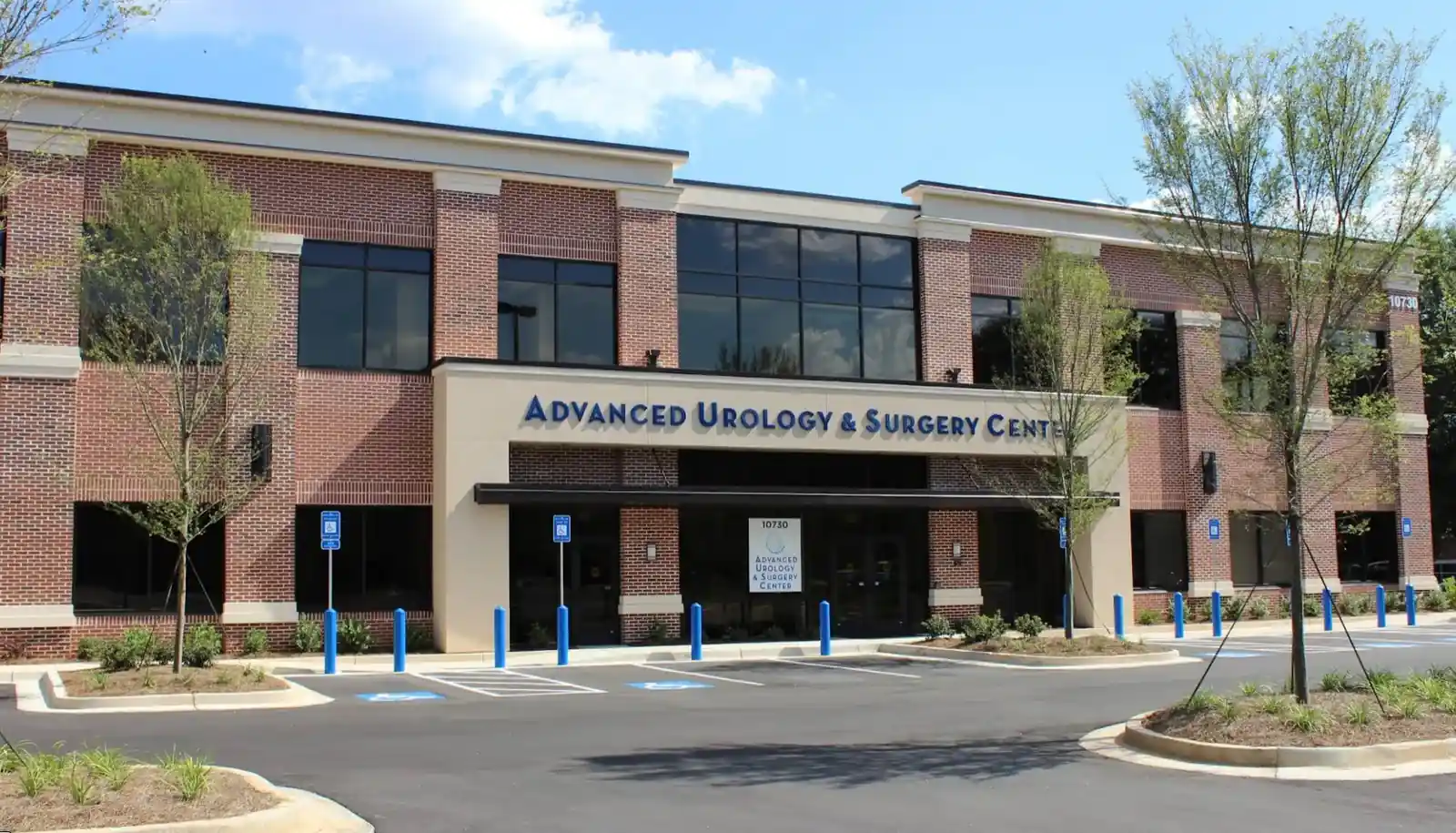
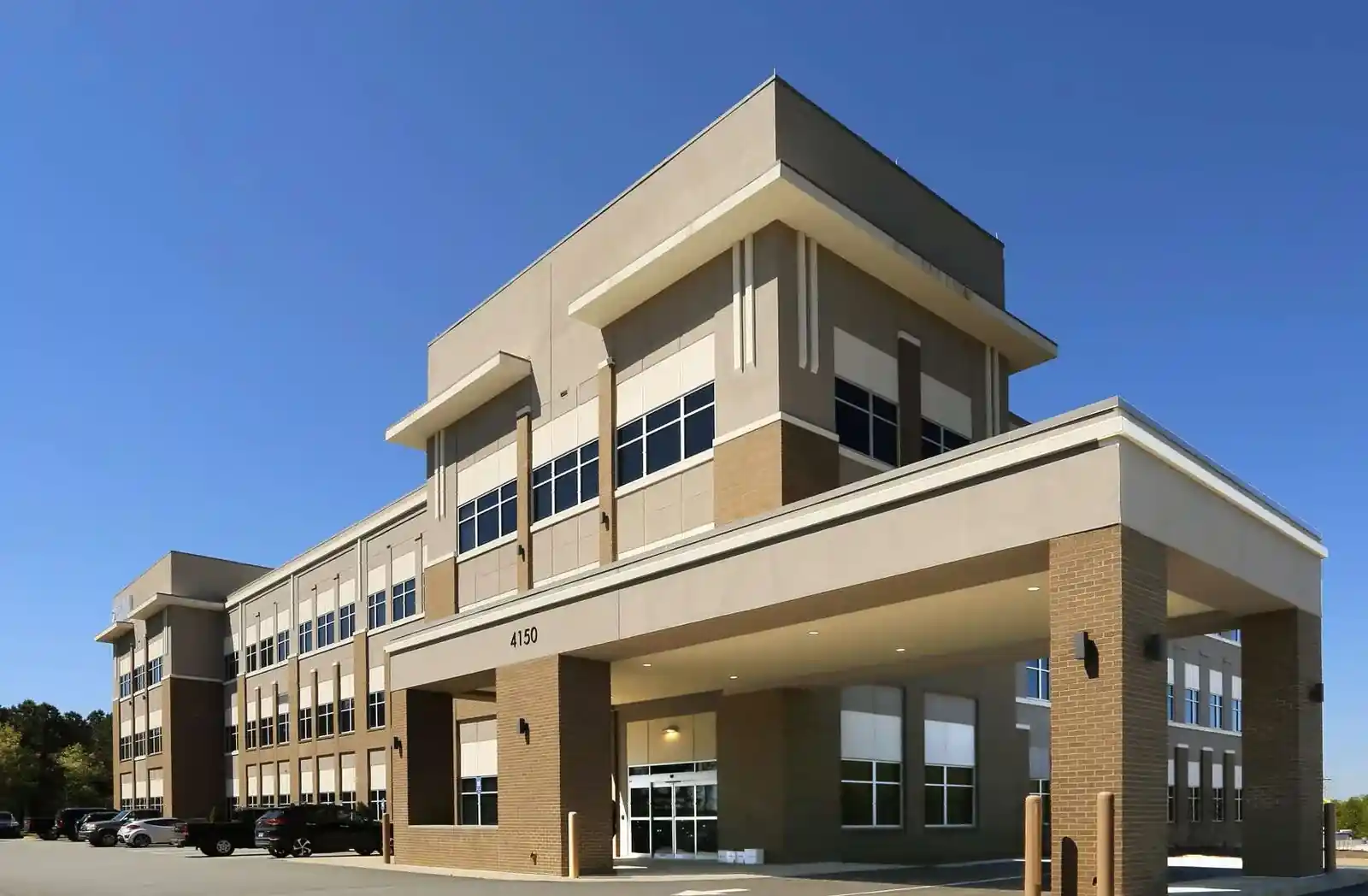
Our Johns Creek Clinic & Surgery Center at 10730 Medlock Bridge Road sees patients from Alpharetta, Milton, Duluth, and Suwanee. Our Cumming Clinic on Deputy Bill Cantrell Memorial Road sees patients from Forsyth County, Dawsonville, and Dahlonega. Either office can evaluate trouble urinating; any procedure you need is booked at the Johns Creek surgery center. Call 678-344-8900 or book online.
Watch: Dr. Neal Patel on regaining control of your bladder
An official Advanced Urology video on this topic.
 Playing: Urologist Dr. Neal Patel discusses Regaining Control of your Bladder
Bladder visits are with our urologists. In Johns Creek: Dr. Neal Patel, Dr. Nicholas Farber, and Dr. T. Casey McCullough. In Cumming: Dr. Neal Patel, Dr. Herman Bagga, Dr. Rut Patel, and Dr. Kushan Radadia. Physician assistants work on the same teams.
Questions we are often asked
What should I do if I can’t pee at all?
Go to a hospital emergency department or dial 911, especially if your lower belly is swollen or painful. The bladder needs to be drained with a catheter promptly. After that, call us at 678-344-8900 and we will work out the cause.
Why does it feel like I still need to pee after I go?
That feeling often means urine is being left behind in the bladder. In men an enlarged prostate is a frequent reason; a weak bladder muscle, nerve problems, or some medicines can do it in anyone. A bladder ultrasound after you pee shows how much is left and guides the next step.
Is trouble urinating with a fever an emergency?
Yes. Fever, chills, or shaking with trouble passing urine can mean an infection that needs prompt treatment, so go to an emergency department. Side or back pain, blood clots in the urine, or new numbness in the groin or legs are also reasons to go now.
What tests check for urinary retention?
We start with a urine test and a bladder ultrasound after you pee to measure what is left. A flow test, a PSA blood test for some men, cystoscopy, and urodynamic testing may follow. These tell us whether something is blocking the flow or the bladder signal is the problem.
Can InterStim help if I can’t empty my bladder?
For retention with no blockage, it can. InterStim stimulates the sacral nerves that coordinate emptying, and you try it first during a test phase of about 3 to 14 days. Many people who respond use a catheter less often, and some stop needing one.
Can I be seen for trouble urinating in Cumming or Alpharetta?
Our Cumming Clinic and our Johns Creek Clinic & Surgery Center both evaluate trouble urinating, and many of our Johns Creek patients come from Alpharetta. Call 678-344-8900 or book online and name the office you prefer.
Whenever a visit would help, the Johns Creek and Cumming teams are a phone call or a booked appointment away.