When bladder pills are not enough
Bladder Botox for overactive bladder in Johns Creek and Cumming
If you have tried bladder pills and still rush to the bathroom, wake up several times a night, or leak on the way, Botox injected into the bladder muscle is a next step our urologists can offer. It quiets the muscle spasms behind urgency, the effect lasts for months, and it is repeated when it wears off. Your visits can be at our Johns Creek or Cumming office, and we confirm where the injections will take place when we schedule them.
Who bladder Botox is for
Botox for overactive bladder is meant for adults whose urgency, frequent trips, night-time waking, or urge leaks are still getting in the way after lifestyle changes and medicine. People often come to us saying the pills did little, the dry mouth or constipation was hard to live with, or they would simply rather not take a tablet every day. Each of those is a reasonable reason to talk about Botox.
It is not the right first move for everyone. An untreated urinary tract infection has to be cleared first, and people who already leave a lot of urine behind in the bladder after peeing are usually steered toward a different plan. We check both before any injection is scheduled.
How Botox calms an overactive bladder
With overactive bladder, the bladder wall muscle squeezes when it should be resting, so the urge arrives suddenly and sometimes before you reach the toilet. Botox blocks the chemical nerve signal that tells that muscle to contract. When those signals are dampened, the muscle relaxes, the bladder holds more comfortably, and urgent trips and leaks tend to drop.
The effect builds over one to two weeks and lasts several months. Because it wears off, Botox is a repeat treatment; many people manage with about two sessions a year, and we plan the next one at your follow-up visit.
What the injection visit is like
Bladder Botox is done with minimal sedation for comfort. When the date is set, we confirm the location, your arrival time, and how to prepare. First the bladder is filled with a numbing solution. Then a thin, lighted scope called a cystoscope is passed through the urethra, and a series of small injections is placed across the bladder wall. Nothing is cut, and the procedure takes a short time.
Afterward we check that you can empty your bladder before you leave. Burning or stinging the first few times you pee, and slightly pink urine, are common for a short while. We give you written instructions for the next few days and a number to call with questions.
Side effects to know about
A urinary tract infection is the side effect seen most often after bladder Botox, so we screen for infection beforehand and may prescribe an antibiotic around the procedure. Less often, the bladder relaxes more than intended and does not empty fully for a time. If that happens, short-term use of a catheter may be needed until the effect settles.
Call us if you have a fever, burning that keeps getting worse, or trouble passing urine after the injections. If you cannot pass urine at all and your lower belly is swollen and painful, go to an emergency department.
How Botox compares with nerve stimulation
Botox and nerve stimulation are both options for overactive bladder that pills have not controlled. Botox is a renewable injection repeated every several months. InterStim sacral nerve stimulation and tibial nerve stimulation with the Altaviva implant are devices that adjust the nerve signals to the bladder and are used for longer-term control; InterStim is tested first in a trial phase. Our overactive bladder treatment page sets out each step in order.
We go through your goals, health history, and how you responded to earlier treatment before recommending one. You can read more in the Advanced Urology guide to Botox for overactive bladder and the overactive bladder condition page.
Bladder Botox near Johns Creek, Cumming, Alpharetta, and Suwanee
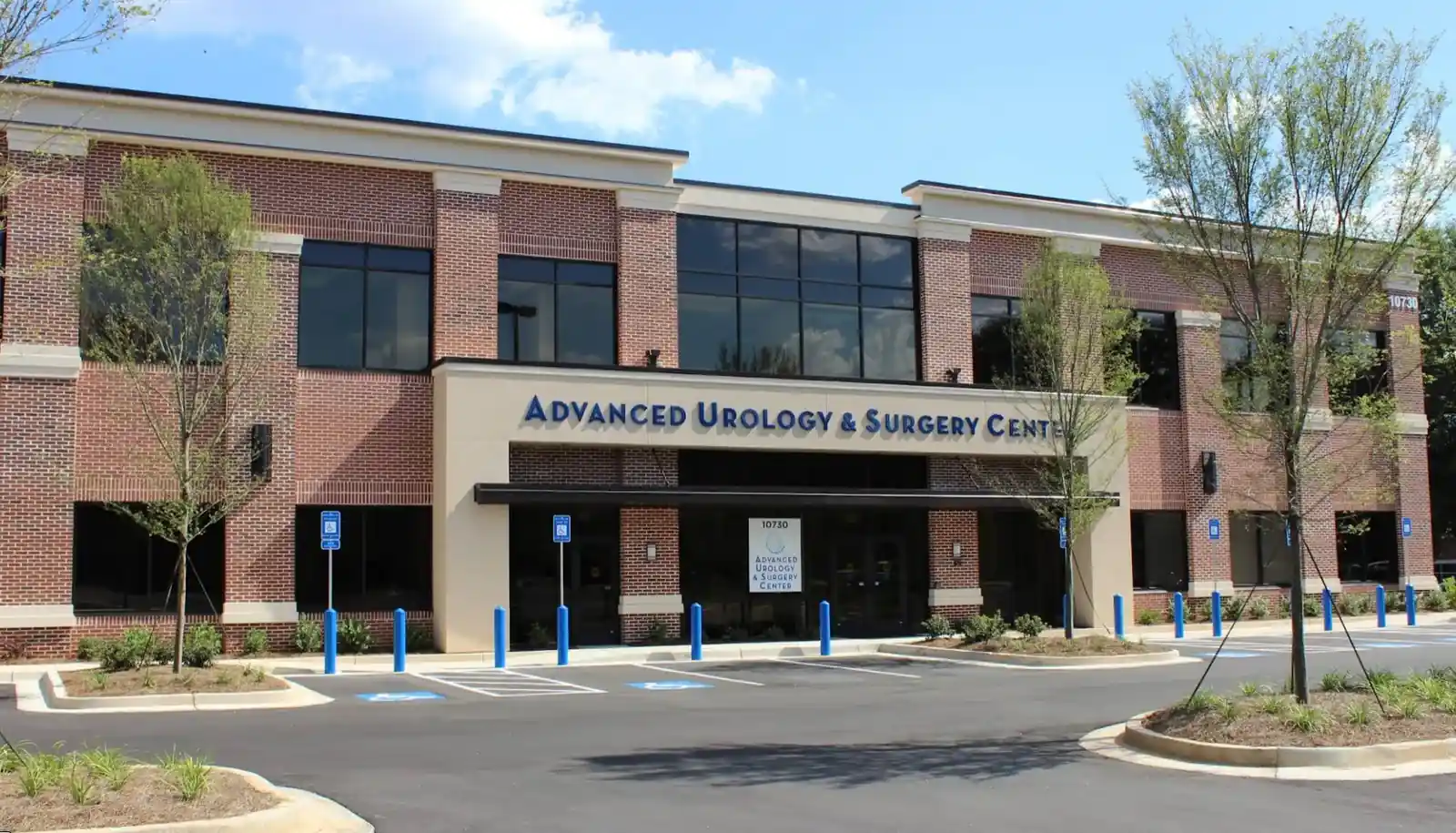
You can have the first visit at our Johns Creek Clinic & Surgery Center at 10730 Medlock Bridge Road or at our Cumming Clinic on Deputy Bill Cantrell Memorial Road. Once you and our urologist decide on Botox, we confirm where the injections take place as we book the date, along with your arrival and recovery instructions. Patients come to us from Alpharetta, Milton, Duluth, Suwanee, Forsyth County, Dawsonville, and Dahlonega. Call 678-344-8900 or book online and mention bladder Botox.
Watch: Dr. Nicholas Farber on overactive bladder and its treatment options
An official Advanced Urology video on this topic.
 Playing: Dr. Nicholas Farber explains Overactive Bladder
Bladder visits are with our urologists. In Johns Creek: Dr. Neal Patel, Dr. Nicholas Farber, and Dr. T. Casey McCullough. In Cumming: Dr. Neal Patel, Dr. Herman Bagga, Dr. Rut Patel, and Dr. Kushan Radadia. Physician assistants work on the same teams.
Questions we are often asked
My bladder pills are not working. Is Botox the next step?
It can be. Botox is one of the treatments we offer when urgency, frequent trips, or urge leaks continue after medicine, or when side effects make pills hard to keep taking. Another path is nerve stimulation, using InterStim or an Altaviva implant, and we compare them at the visit.
How long does bladder Botox last?
Relief usually begins within one to two weeks and lasts several months. When symptoms start to return, the injections are repeated; many people need about two treatments a year. We set the timing at your follow-up visit based on how you responded.
Can I start bladder Botox care in Johns Creek or Cumming?
Yes. Your consultation and follow-up visits can be at our Johns Creek Clinic & Surgery Center on Medlock Bridge Road or at our Cumming Clinic on Deputy Bill Cantrell Memorial Road. Where the injections take place is confirmed when we schedule them, and we send arrival instructions at that point. Call 678-344-8900 to book the first visit.
Do bladder Botox injections hurt?
The bladder is numbed with a solution first, and minimal sedation is used for comfort. Most people notice burning or stinging the first few times they pee afterward, sometimes with a little blood in the urine. Those effects usually settle within a short time.
What are the risks of Botox in the bladder?
The most common one is a urinary tract infection, which is why we check for infection beforehand and may give an antibiotic. Less often, the bladder does not empty fully for a while, and a catheter may be needed for a short time. Our urologists review your own risks before scheduling.
Can I drive home after bladder Botox?
Ask at the visit, because it depends on the sedation used for you. We give you clear instructions on transportation, activity, and what to watch for before the procedure date. Plan to have someone available to drive if sedation is part of your plan.
Whenever a visit would help, the Johns Creek and Cumming teams are a phone call or a booked appointment away.